PPE and PRE for River Professionals
Zachary CollierAs professional river guides we aren’t just responsible for our own safety; we’re responsible for the well being of our guests. In order to better protect ourselves and be ready for a quick rescue we gear up with PPE (Personal Protective Equipment) and PRE (Personal Rescue Equipment).

Personal Protective Equipment (PPE)
PPE is what you wear to stay safe while things are going right and keep you protected for when they go wrong. This is the gear that stays on your body from the put-in to the take-out.
- Your PFD (personal flotation device) your most critical piece of safety gear since it provides critical lifesaving flotation in case you swim. I suggest getting one that is brightly colored and has buoyancy equal to over 10% of your bodyweight.
- A whitewater helmet helps to protects you from flying paddles, oars, metal raft frames, rocks and more. As with your PFD getting one that is brightly colored (ideally neon) will help you be more visible in whitewater. Whitewater helmets should carry the European CE EN 1385 standard and should provide ample head coverage, absorb shocks, be snug, float, and drain quickly.
- Footwear should have good foot protection and stick to wet rocks. River sandals are okay for easier less active rivers but shoes are preferred.
- Thermal protection protects you from cold water immersion and is a must when water temperatures are below 50 degrees F. A 3mm "Farmer John" wetsuit is the most versatile since it offers durable and inexpensive cold water protection. A wetsuit can be combined with neoprene booties, fleece, and a paddling jacket for extra protection. A dry suit is another great option for cold water protection but is more expensive and less durable.
- A river knife is not for spreading peanut butter; it's for cutting a rope if you or someone else is entangled. Some people prefer quick access knives on the outside of their PFDs while others prefer a "folder" in a PFD pocket.
- A whistle allows you to get people's attention in a loud whitewater environment. My favorite is the Fox 40 Epik CMG Whistle.
- A CPR Face Shield is necessary when doing CPR on drowning victims due to the large amounts of foam coming out of their lungs. A small CPR Face Shield can easily fit in your PFD pocket.
Personal Rescue Equipment (PRE)
PRE is the specialized kit you carry to perform rescues and equipment retrieval on the river.
- Your throw bag is one of your best tools for rescuing swimmers and getting ropes to stuck rafts. I suggest wearing a waist belt throw bag.
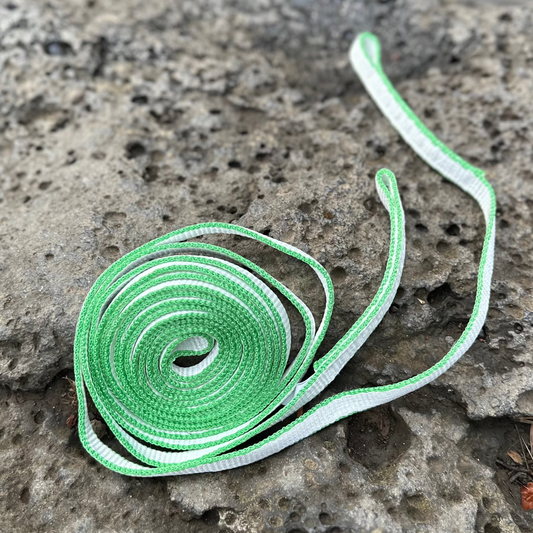
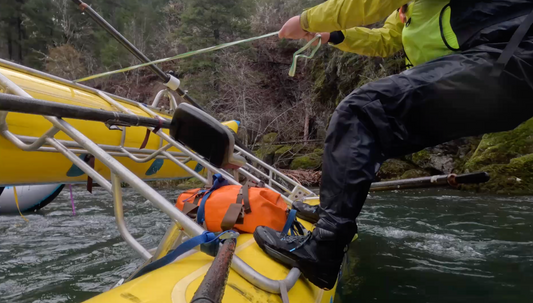
- Flip lines are multi-use tools that can be used to flip rafts, create anchors, and more. I suggest the River Hardware Flip Line.
- A PFD rescue harness allows you to attach yourself to a rope and enter whitewater for some sort of rescue.
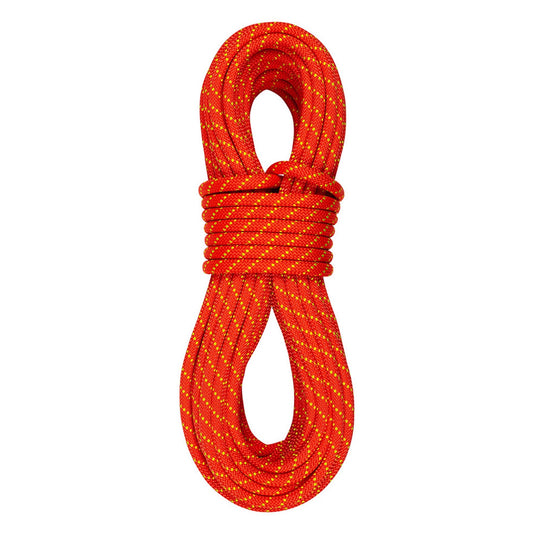
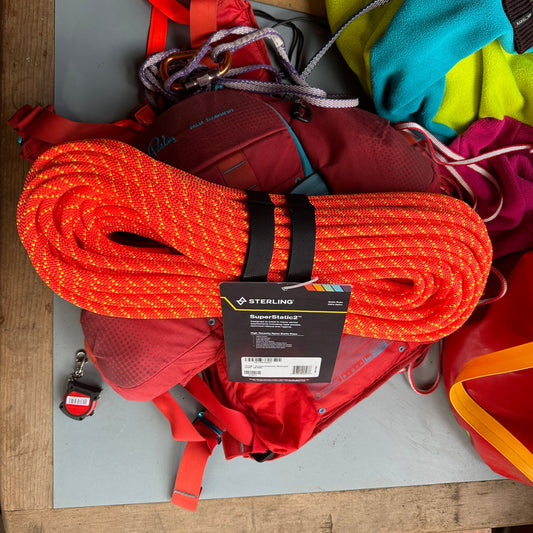
- A personal guide pin kit allows you to set up a minimal mechanical advantage system.

Final Thoughts: Training is the Greatest Gear
All of these tools require training on how to use them responsibly. I suggest taking a whitewater rescue course that is designed and taught by river guides. The best courses for river guides are Rescue 3 WRT, Sierra Rescue RRC and RRC-Pro, and SSI PRO-I and PRO-II courses.
In addition to formal rescue courses I'd recommend that you take time to regularly practice these skills. Spend an afternoon in a park setting up a Z-drag between two trees, and practice throw-bag tosses until you can consistently hit a moving target at 40 feet. Rescue techniques should become part of your muscle memory so that when an incident occurs, you are prepared to respond quickly and effectively.